What We Handle
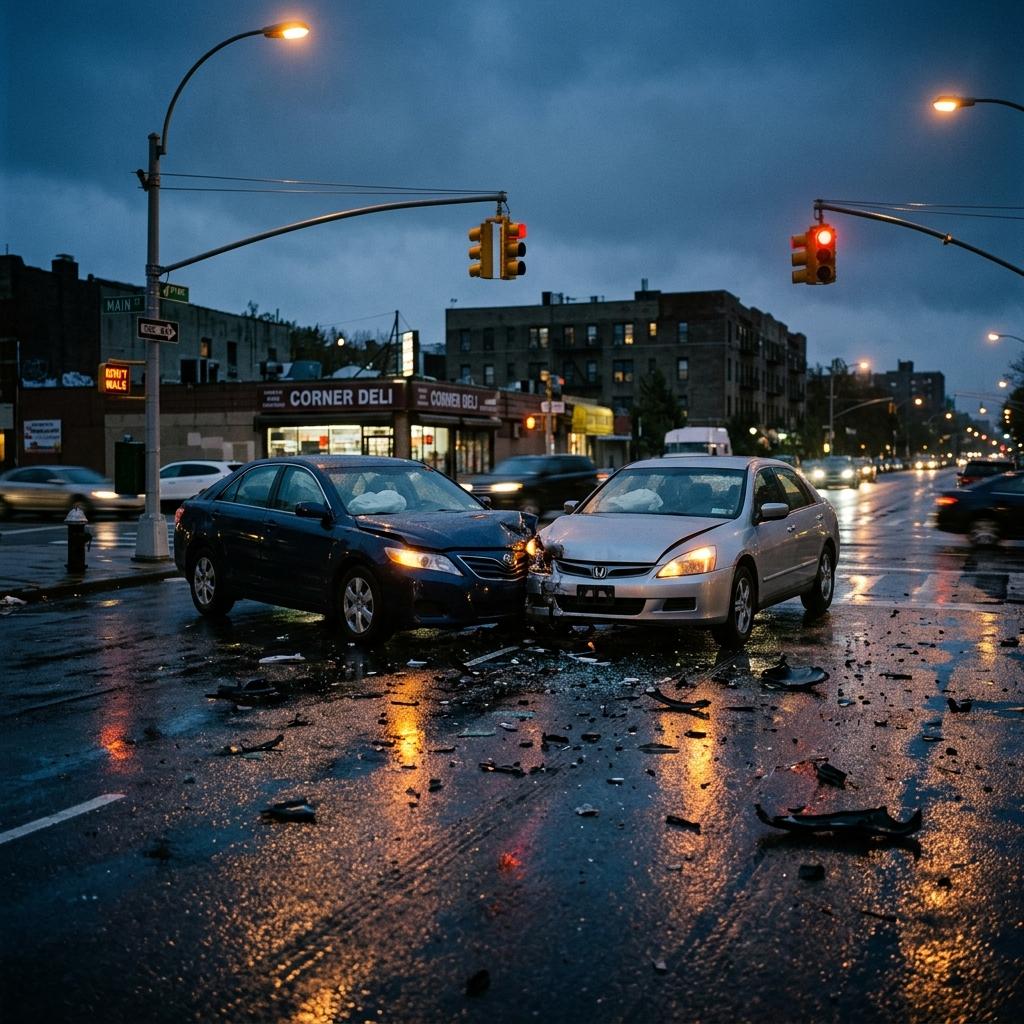
Rideshare Accidents
After a crash involving Uber or Lyft.
What rideshare accidents actually means
A rideshare accident case comes up when someone is hurt in a crash involving an Uber, Lyft, or other app-based driver. You may have a claim if you were a passenger, another driver, a pedestrian, or a cyclist and the rideshare driver or another careless driver caused the crash.
These cases can be more complicated than a regular car wreck because there may be more than one insurance policy involved. The key question is usually what the rideshare driver was doing in the app at the time of the crash — whether they were waiting for a ride, on the way to pick someone up, or actively carrying a passenger.
What it takes to have a case
1. Duty
Every driver on the road has a duty to drive carefully and follow the rules of the road.
2. Breach
Speeding, distracted driving, unsafe lane changes, following too closely, and failing to yield are all common examples.
3. Causation
That careless driving must be what caused the crash and your injuries.
4. Damages
You must have actual harm — medical bills, lost wages, pain and suffering, or other measurable losses.
What we handle within rideshare accidents
Every situation is different. Here are the most common types we see.
Passenger Injuries
You were riding in an Uber or Lyft when the crash happened.
Hit by a Rideshare Driver
You were in another car, on foot, or on a bike when the rideshare driver caused the wreck.
Insurance Coverage Disputes
The companies and insurers argue about which policy applies.
Uninsured / Underinsured Issues
The at-fault driver does not have enough coverage, so other policies may matter.
Multi-Vehicle Crashes
More than one driver may share fault.
Missouri vs. Kansas: the rules that matter
Kansas City straddles the state line. Which state's law applies depends on where the incident occurred.
Missouri
- •Statute of limitations: 5 years — RSMo § 516.120
- •Pure comparative fault — recover even if partly at fault, reduced proportionately — RSMo § 537.765
- •Minimum liability insurance: $25,000 per person / $50,000 per accident
Kansas
- •Statute of limitations: 2 years — KSA § 60-513
- •Modified comparative fault — no recovery if 50% or more at fault — KSA § 60-258a
- •Minimum liability insurance: $25,000 per person / $50,000 per accident
Not sure which state's rules apply? Tell us where it happened →
What an investigation looks like
Initial conversation — Free. No commitment. We listen and give you a straight read on what may apply.
Evidence collection — Crash report, witness names, photos, app screenshots, trip records, and insurance details.
Coverage review — We sort out what insurance policies may apply based on the driver's app status.
Medical records review — We document your injuries, treatment, and how this affected your daily life.
Demand or filing — We push for a fair settlement or file suit if needed.
Resolution — Settlement, mediation, or trial.
What it costs
Yonke Law works on a contingency basis. There is no fee unless we recover compensation for you. The percentage is agreed in writing before any work begins. Your initial consultation is always free. No hourly rates. No retainers. No surprise bills.
What a rideshare accidents case is actually worth
There's no honest one-line answer. Value depends on the facts of your situation.
Economic Damages
- •Medical expenses
- •Lost wages
- •Future treatment
- •Out-of-pocket costs
Non-Economic Damages
- •Pain and suffering
- •Emotional distress
- •Loss of enjoyment of life
- •Lasting limitations
A consultation gives you a real assessment based on your situation — not a stock answer.

Who You'll Work With
Michael T. Yonke
AV Preeminent rated. Experienced in multi-policy motor vehicle cases involving rideshare and commercial app-based drivers.
Mike founded Yonke Law in 2001 after years of seeing how large firms treated the people they were supposed to protect. Every case at Yonke Law is handled directly by Mike and his team — not passed to associates or outsourced to contract attorneys.
When it comes to rideshare accidents, Mike brings decades of focused trial experience, a network of trusted medical and technical experts, and a straightforward approach: understand the facts, build the case, and prepare for trial even if the goal is settlement.
More about Mike and the team →Common questions
Does Uber or Lyft automatically pay my claim?
No. Coverage depends on what the driver was doing in the app when the crash happened.
What if I was a passenger?
Passengers often have strong claims because they usually did not cause the wreck.
Should I report the crash in the app?
Yes, but keep it short and factual. Do not guess or give a recorded statement without legal advice.
Printable
Personal Injury Checklist
Essential steps to protect your health, your rights, and your claim. Covers what to gather, who to contact, and the deadlines that matter for your rideshare accidents case.
Download the checklist (PDF) ↓Or — Walk Through It Digitally
Start Your Case Review
Answer a few questions about your situation. Your responses are saved and become the start of your case file if you proceed.
Start the digital intake →Ready to talk about your rideshare accidents case?
Free consultation. No fee unless we recover.